Blog
Short essays on machine-to-machine payments — the code that waited, the checks on a channel, and the wall with no cashier.
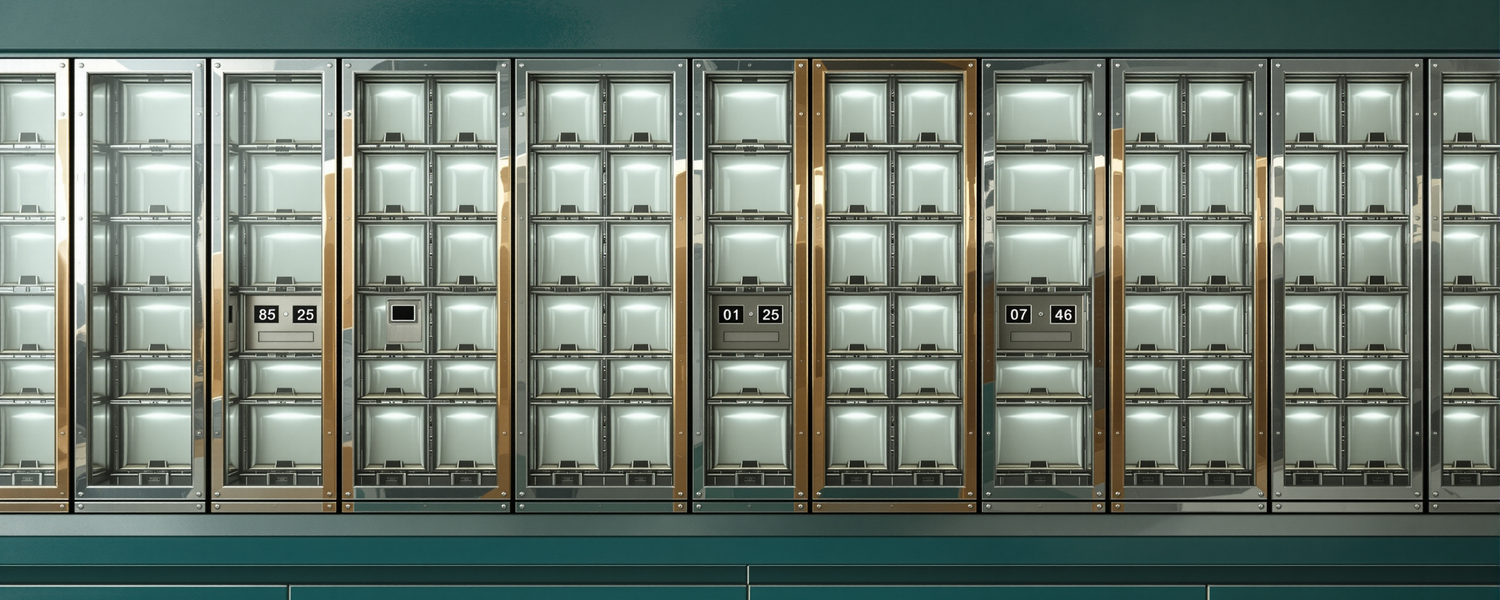
The Code That Waited
How HTTP 402 sat reserved for thirty years, and what finally switched it on
Every web developer has met the famous HTTP status codes. 200 OK when a request succeeds. 404 Not Found when a page is gone. 500 Internal Server Error when something breaks on the far side. They are the vocabulary of the web, memorized without effort because we see them every day.
Read
Checks on a Channel
The math and mechanism behind otomat-channel, where a thousand calls settle as one
The single-payment scheme in x402 is clean and complete: one request, one signed transaction, one settlement. For a call that happens once, that is exactly the right shape. Pay the coin, open the door, take the dish.
Read
The Buyers Are Machines
What a payment layer has to become when the customer is a program with a budget
For thirty years, the web made one quiet assumption about every purchase: at the end of it, there is a person. A person to read the price. A person to decide. A person to type a card number, click confirm, and remember a password next month. Every payment tool we have — checkout pages, subscriptions, invoices, saved cards — is shaped around that person's attention and that person's patience.
Read
Trusting the Facilitator
The one trusted piece in a trustless exchange, and how to keep it honest
Otomat's promise is that a machine can pay another machine directly, with the payment settling in the open on Solana. Most of that exchange requires no trust at all. The transaction is signed by the payer and no one else. The amount, the recipient, and the asset are all fixed in the signed bytes; they cannot be altered after the fact. The chain is the final judge of whether the money moved. In a well-built x402 flow, almost every part is trustless by construction.
Read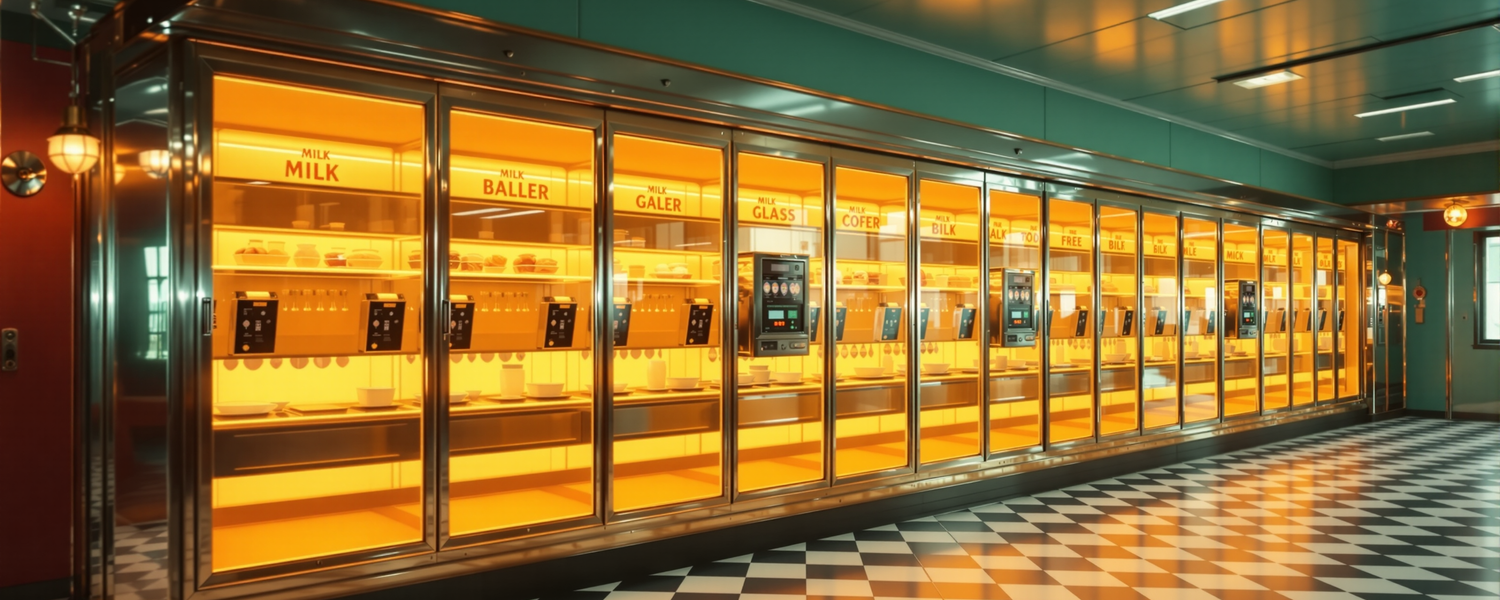
The Wall With No Cashier
What a 1950s automat understood about self-service, and what a rail for machine buyers inherits from it
On a busy street corner in the first half of the twentieth century, you could walk into a large bright room, drop a few coins into a slot, turn a chrome knob, and open a small glass door to take out a slice of pie. No waiter took your order. No cashier rang you up at the end. The wall did the whole transaction. It was called the Automat, and for a few decades it was one of the most modern things a person could experience.
Read